From Nitrocellulose to CAB: The Regulatory and Performance Case for Next-Generation Inks in Flexible Packaging
Oct 21, 2026
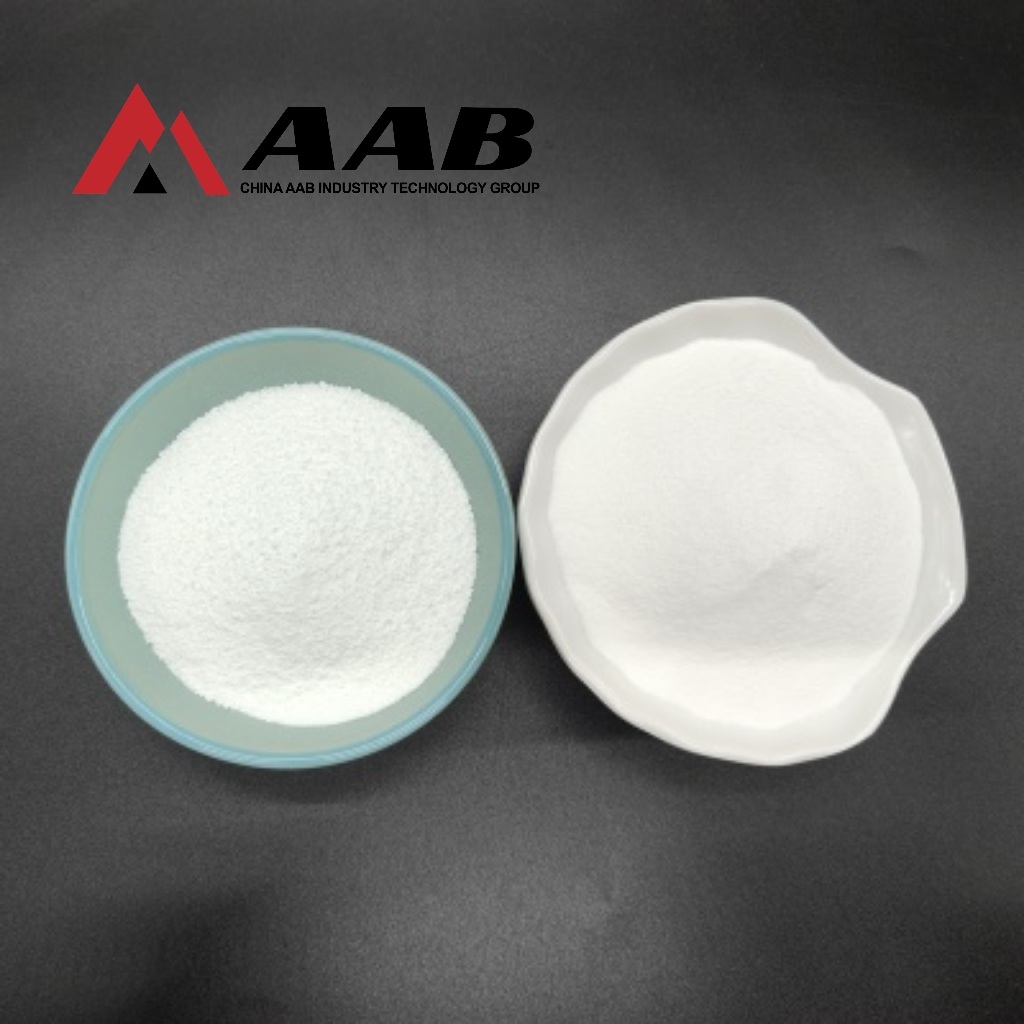
Cellulose Acetate Butyrate (CAB) is a non-hazardous, high-performance cellulose ester engineered as a direct alternative to Nitrocellulose (NC) in food-grade, cigarette packaging, and high-end printing inks. With ISO 9001/14001/45001 certifications, EU REACH registration, and an annual CAB-381/CAB-551 capacity of 10,000 tons, AAB delivers CAB grades that meet FDA and EU food-contact requirements, maintain stable viscosity under high-temperature storage, and provide superior pigment dispersion and metallic flake orientation—without the transport hazards, regulatory restrictions, and supply volatility associated with NC.
The printing ink industry is undergoing a structural shift. For decades, nitrocellulose (NC) has been the workhorse resin in solvent-based packaging inks. Mounting regulatory pressure, safety concerns, and supply chain volatility are now driving formulators, converters, and brand owners to reassess this dependency.
Cellulose acetate butyrate (CAB) has emerged as the leading technical alternative. As a non-hazardous cellulose ester, CAB delivers the performance that made NC indispensable—while eliminating the compliance and stability liabilities that now threaten NC's position.
1. Regulatory Pressure: PPWR and Recyclability
The EU's Packaging and Packaging Waste Regulation (PPWR) mandates that by 2030 all packaging on the EU market must be 100% recyclable. RecyClass updated its Design for Recycling Guideline in January 2025, setting a limit of 0.8 wt% NC dry for surface and reverse-printed polyolefin packages. Exceeding this threshold risks classification as "non-recyclable" under Germany's ZSVR/LUCID standard, triggering higher EPR fees. CAB-based systems demonstrate significantly better compatibility with mechanical recycling, preserving recovered material quality.
2. Food Contact Compliance
Multiple CAB grades meet food-contact requirements under U.S. FDA 21 CFR, EU Regulation No 10/2011, and Swiss Ordinance SR 817.023.21. CAB can be used in food packaging inks without the additional migration testing and documentation that NC increasingly requires.
3. Viscosity Stability
NC is prone to hydrolysis under elevated temperature and humidity, causing sharp viscosity decline. In controlled four-week storage testing, NC solutions exhibited significant viscosity loss, while CAB solutions remained stable. CAB's butyryl and acetyl ester groups are more hydrolytically stable than NC's nitrate ester groups, making CAB far more resistant to moisture-driven degradation.
4. Pigment Dispersion and Metallic Effects
CAB provides superior pigment wetting and dispersion, preventing settling and flocculation. It excels at fixing metallic and pearlescent flakes in optimal parallel orientation, producing the high-flop metallic appearance premium packaging demands. High-hydroxyl CAB grades (e.g., CAB-553-0.4, 4.8 wt% hydroxyl) can participate in crosslinking reactions, enabling thermoset ink systems with enhanced chemical resistance and durability.
5. Safety and Supply Chain
NC is classified as a dangerous good (UN2556, Class 4.1), requiring specialized transport and storage. The 2015 Tianjin Port explosion, which claimed 165 lives, was traced to improperly stored nitrocellulose. CAB is non-hazardous, reducing regulatory burden, insurance costs, and safety infrastructure. NC supply has also tightened sharply due to geopolitical tensions and military demand, driving significant price inflation across the ink industry.
6. Application Scope
CAB is compatible with NC, polyamide, and acrylic resins, and soluble in esters, ketones, and glycol ethers. Suitable applications include flexographic and gravure packaging inks, inkjet inks, overprint varnishes, and food packaging inks. The resin's ability to control solvent release and drying speed supports high-speed printing operations.
Conclusion
The transition from NC to CAB is driven by regulatory mandates, supply chain realities, food safety requirements, and modern printing performance demands. CAB offers compliance without compromise, stability without sacrifice, and performance without liability. As the PPWR timeline advances, the question is no longer whether to transition—but how quickly the shift can be executed.
About AAB
China AAB Industry Technology Group is a leading manufacturer of cellulose esters, including CAB and cellulose acetate propionate (CAP), serving coatings, inks, and packaging industries. With an annual CAB-381/CAB-551 capacity of 10,000 tons and ISO 9001, ISO 14001, and ISO 45001 certifications, AAB supplies high-performance, regulatory-compliant cellulose ester solutions globally. For technical documentation or formulation support, contact our technical service team.